
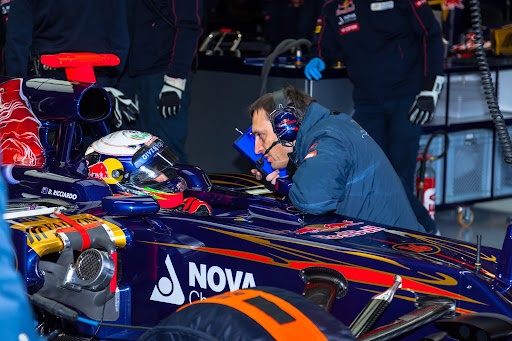
In the high-octane world of Formula One, radio communications serve as the critical lifeline between drivers and their teams. While fans enjoy these snippets of conversation during broadcasts, these exchanges reveal far more than emotional outbursts or quick updates. They’re actually a fascinating window into the strategic chess match happening behind the scenes.
Let’s decode what’s really happening when teams and drivers communicate during a race.
The Strategic Layer Behind Radio Calls
When you hear a race engineer calmly telling their driver about gap times or tire degradation, you’re witnessing just the tip of a massive strategic iceberg. Behind each seemingly simple message lies hours of preparation and real-time data analysis from dozens of engineers.
Teams deliberately use coded language and pre-arranged terms to conceal their true intentions from competitors. What sounds like a casual “Plan B, Carlos” from Ferrari might actually be triggering a complete shift in race strategy that the team mapped out in their pre-race planning.
The Psychology of Driver-Team Communication
Communication styles vary dramatically across teams and drivers. Compare the methodical, almost clinical exchanges between Max Verstappen and Gianpiero Lambiase at Red Bull to the more emotional conversations Lewis Hamilton has with Peter Bonnington at Mercedes.
These differences aren’t accidental – they reflect carefully cultivated relationships designed to get the best performance from each driver. Some drivers need constant reassurance, while others prefer minimal chatter to maintain focus.
Reading Between the Lines: What Teams Are Really Saying
Here are some common radio messages and what they might actually mean:
- “Box, box” vs. “Stay out”: Far more than simple pit instructions, these calls often follow frantic behind-the-scenes debates about weather predictions, tire life, and track position strategies.
- “Push now” or “We need qualifying laps”: Usually indicates the team has spotted a strategic opportunity to undercut or overcut competitors during pit stop cycles.
- “Mode 7” or other technical instructions: Often relates to engine modes, energy deployment, or other performance settings being adjusted to balance performance against reliability.
- “Blue flags ahead”: While seemingly informational, teams time these messages carefully to help drivers minimise time loss during lapping procedures.
When Communication Goes Wrong
Some of F1’s most dramatic moments have come from communication breakdowns. The Mercedes team’s confusion at Monaco 2015 led to Lewis Hamilton’s infamous pit stop that cost him victory. Sebastian Vettel’s heated exchanges with Ferrari during his later years with the team revealed deeper fractures in their relationship.
These moments expose the extreme pressure teams operate under, where split-second decisions worth millions of dollars must be made with imperfect information.
The Technical Side of F1 Communications
The technology enabling these conversations is impressive in its own right. Teams use encrypted digital radio systems that must function flawlessly despite electromagnetic interference from the cars, noise levels exceeding 130 decibels, and the physical challenges of maintaining connections with vehicles moving at over 300 km/h.
Every team has backup systems and protocols for communication failures, highlighting just how essential this link is to modern F1 racing.
The Future of Race Communications
As F1 continues to evolve, we’re seeing changes in how teams communicate. The sport has begun limiting certain types of radio messages to put more emphasis on driver skill, while simultaneously broadcasting more team radio to fans to enhance the viewing experience.
Some teams are already experimenting with AI-assisted race strategy systems that could fundamentally change the nature of these communications in the coming seasons.
Next time you’re watching a Grand Prix and hear those radio messages, listen carefully. Behind those brief exchanges lies a complex world of strategy, psychology, and technology that can make the difference between championship glory and crushing defeat.
Written by Kate Lynch Belfast