
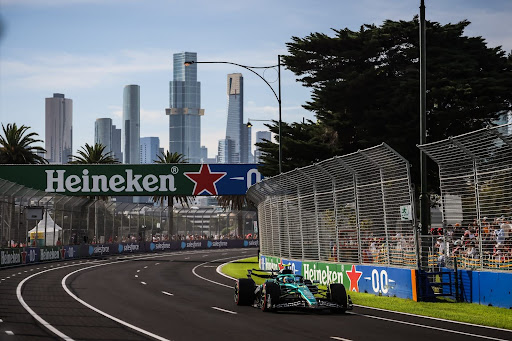
As Formula One continues to expand its calendar, the debate between street circuits and purpose-built tracks becomes increasingly relevant. Each type of circuit brings its own unique characteristics and challenges, making the F1 season a true test of versatility for both drivers and teams.
Street Circuits: The Urban Challenge
Street circuits like Monaco, Singapore, and Baku transform city streets into high-speed racetracks. These venues present a unique set of challenges with their narrow tracks and tight corners demanding precise driving. The closed barriers leave no room for error, while bumpy surfaces from regular road use add another layer of complexity. Perhaps most distinctively, these circuits offer an unmatched atmosphere as cars race through iconic cityscapes.
The technical challenges on street circuits are immense. Teams must maximise mechanical grip and adjust suspension settings to handle the uneven surfaces. Drivers need exceptional concentration as the smallest mistake can end their race against an unforgiving wall.
Purpose-Built Tracks: The Racing Purist’s Paradise
Tracks like Silverstone, Spa-Francorchamps, and Suzuka represent the traditional racing approach. These circuits feature wide runoff areas that allow drivers to push their limits, complemented by smooth, consistent surfaces throughout. Their high-speed corners effectively test aerodynamic efficiency, while purpose-designed overtaking zones create opportunities for exciting racing moments.
These circuits often produce better racing due to their width and multiple racing lines. Teams can focus more on pure performance rather than survivability, leading to different strategic approaches.
Engineering Considerations
Street circuits demand specific engineering adaptations, including higher ride height to manage bumps, maximum steering lock for tight corners, and softer suspension settings to absorb surface irregularities. In contrast, purpose-built tracks allow teams to optimise their cars with lower ride height for better aerodynamics, stiffer suspension for enhanced high-speed performance, and more aggressive aero packages to maximise downforce.
The Future Balance
As F1 continues to evolve, finding the right balance between street and purpose-built circuits will be crucial. While street circuits bring racing to new audiences and create unique spectacles, purpose-built tracks often provide better racing and testing grounds for automotive innovation.
The ideal F1 calendar should maintain a mix of both, challenging teams and drivers, while showcasing the sport’s versatility. This diversity ensures that the World Championship truly rewards the most complete driver and team package.
Additional Technical Specifications
Street circuits require extensive modifications, including track surface treatment for increased grip, installation of FIA-approved barriers, temporary pit lane construction, and modified drainage systems to ensure safety and competitiveness.
Purpose-built tracks feature carefully engineered elements such as optimised camber and banking, scientifically placed overtaking zones, sophisticated tire degradation analysis, and strategically positioned marshal posts to enhance both safety and racing quality.
Written by Kate Lynch Belfast